
Fridge Repairs: 10 Key Facts You Should Know In 2026 To Maintain Your Fridge Cooling
This post may contain affiliate links, which means we may receive a commission if you purchase through our links. Please read our full disclosure here.
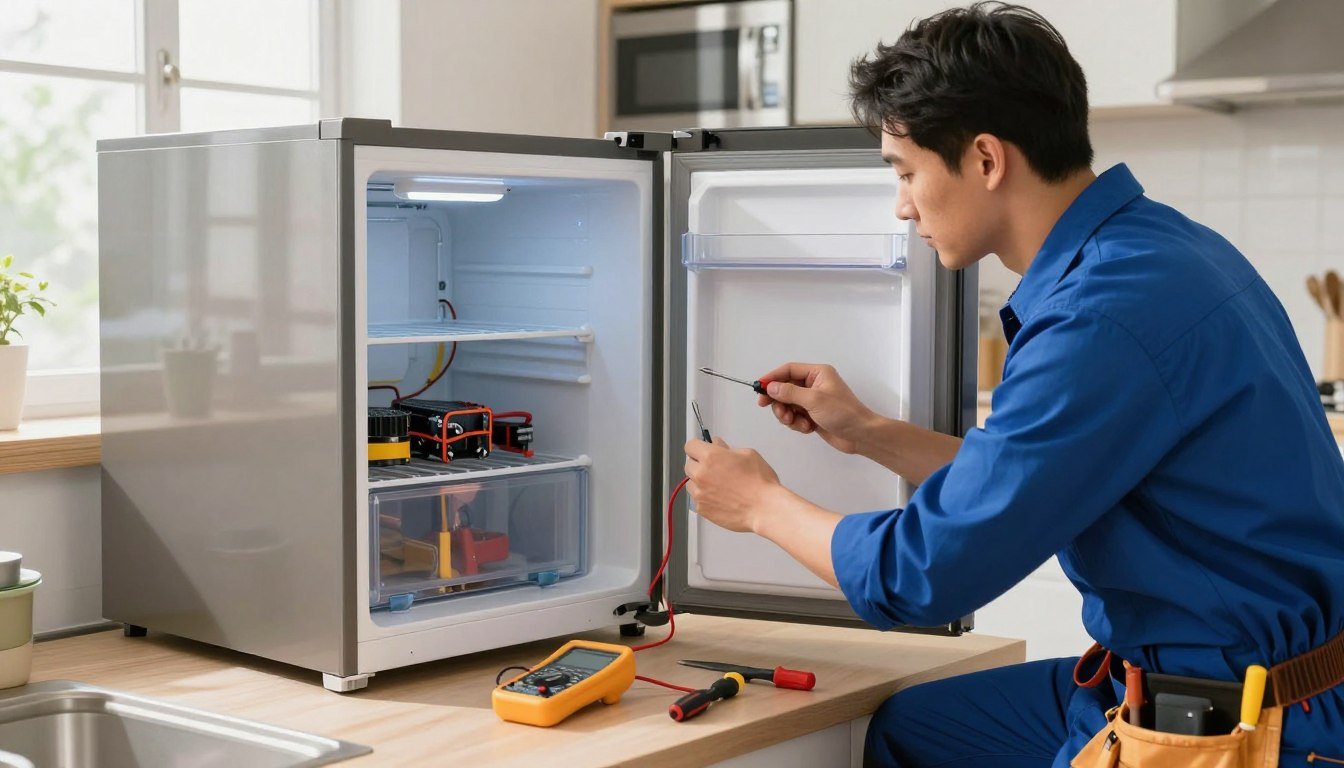
Are you aware of the crucial steps to take when your fridge’s cooling system starts to fail? Maintaining your fridge’s performance is vital to keep your food fresh and your energy bills in check.
Understanding the importance of timely fridge repairs can save you from the hassle of food spoilage and costly replacements. In 2026, staying informed about the latest fridge repair techniques is more important than ever.
To help you navigate the process, we’ve compiled the essential facts you need to know. Explore our recommended products to maintain your fridge’s optimal performance by clicking the link: Fridge Maintenance Products
Key Takeaways
- Understanding the signs of fridge failure
- Importance of regular maintenance
- DIY vs. professional repairs
- Cost-effective solutions for fridge repairs
- Latest techniques in fridge repair
The Evolution of Refrigerator Technology in 2026
In 2026, the evolution of refrigerator technology is characterized by cutting-edge cooling systems and smart maintenance features that have transformed the way we preserve food and maintain our appliances.
Modern Cooling Systems and Their Components
Modern refrigerators now incorporate advanced cooling systems that include smart sensors and eco-friendly refrigerants. These components work together to optimize energy consumption and maintain consistent cooling performance.
The use of advanced materials and designs, such as multi-air flow technology, ensures that the cooling is evenly distributed, preserving the freshness of food for longer periods.
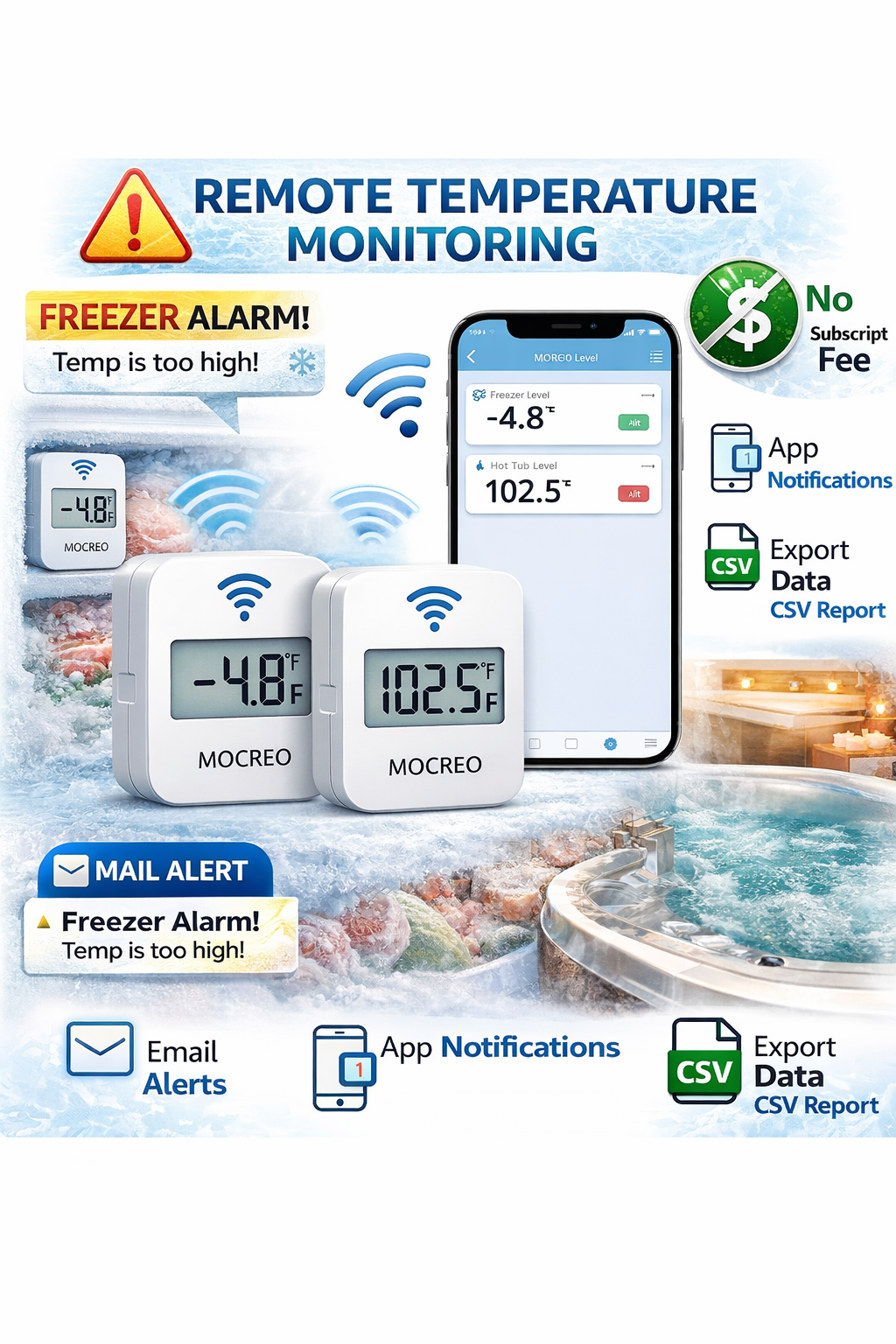
Never worry about unexpected temperature changes again. The MOCREO WiFi Thermometer Freezer Alarm (2 Pack) gives you 24/7 remote temperature monitoring for your refrigerator, freezer, or hot tub—so you can protect food, equipment, and valuables from costly temperature failures.
🔔 Instant Alerts, Wherever You Are
Receive real-time email alerts and app notifications the moment temperatures move outside your preset range. Whether you’re at work, asleep, or traveling, MOCREO keeps you informed instantly—no delays, no guesswork.
📱 Remote Monitoring via Free App
Check live temperature readings anytime using the intuitive MOCREO mobile app. Monitor multiple locations at once and view clear temperature trends directly from your smartphone.
📊 Automatic Data Recording & CSV Export
Track temperature history effortlessly. MOCREO automatically logs data and allows easy CSV export, perfect for food safety compliance, laboratory records, or long-term monitoring needs.
🚫 No Subscription Fees — Ever
Unlike other WiFi thermometers, MOCREO offers full functionality with zero monthly fees. Pay once and enjoy unlimited alerts, monitoring, and data access for life.
❄️🔥 Versatile Indoor & Outdoor Use
Designed for flexibility, these wireless sensors are ideal for:
- Refrigerators & freezers
- Hot tubs & spas
- Garages, basements & storage areas
- Wine coolers & chest freezers
📦 What’s Included
- 2 × MOCREO WiFi Temperature Sensors
- Free mobile app (iOS & Android)
- Easy setup with secure WiFi connection
Stay in control. Prevent losses. Monitor smarter.
With the MOCREO WiFi Thermometer Freezer Alarm (2 Pack), you’ll always know when temperatures change—before problems happen.

| Component | Function | Benefit |
|---|---|---|
| Smart Sensors | Monitor temperature and humidity levels | Optimized energy consumption and improved food preservation |
| Eco-friendly Refrigerants | Reduce environmental impact | Lower carbon footprint and compliance with environmental regulations |
| Multi-air Flow Technology | Ensures even cooling distribution | Enhanced food freshness and reduced waste |
Why Proper Maintenance Matters More Than Ever
With the advancements in refrigerator technology, proper maintenance has become more crucial than ever. Regular maintenance not only ensures the longevity of the appliance but also maintains its efficiency and performance.
Neglecting maintenance can lead to reduced cooling performance, increased energy bills, and potentially costly repairs. Therefore, understanding the importance of regular upkeep is vital for homeowners.
- Regularly clean condenser coils to improve efficiency
- Check door seals for any signs of wear or damage
- Ensure proper airflow around the refrigerator
10 Things You Need to Know About Fridge Repairs to Extend Appliance Life
Maintaining your fridge is crucial for its longevity, and there are key facts you should know to avoid costly repairs. Understanding these facts can help you take proactive steps to ensure your appliance runs efficiently for years to come.
Understanding the Cost of Neglecting Maintenance
Neglecting regular maintenance can lead to significant costs down the line. When you fail to maintain your fridge, you’re not just risking minor issues; you’re potentially facing major repairs or even premature replacement.
The cost of neglecting maintenance can be broken down into several areas, including energy consumption, repair costs, and appliance lifespan. Here’s a comparison:
| Maintenance Level | Average Annual Energy Cost | Average Repair Cost | Average Appliance Lifespan |
|---|---|---|---|
| Regular | $150 | $50 | 15 years |
| Neglected | $200 | $200 | 10 years |
How Regular Upkeep Prevents Major Breakdowns
Regular upkeep is essential for preventing major breakdowns. By checking and replacing worn-out parts, cleaning condenser coils, and ensuring proper door seals, you can significantly reduce the risk of sudden failures.
Regular maintenance tasks include checking temperature settings, inspecting door gaskets, and cleaning the condenser coils. These tasks can help identify potential issues before they become major problems.
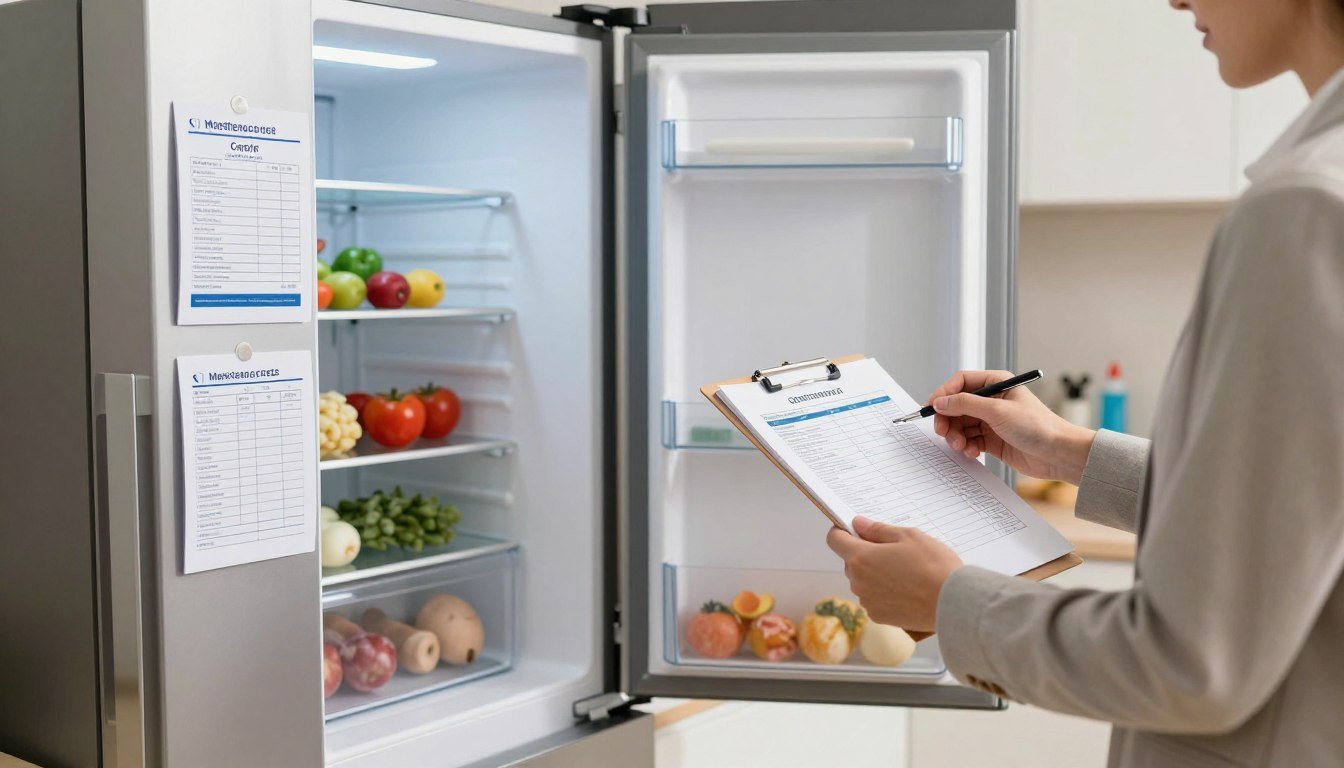
Key Fact #1: Temperature Fluctuations Are Your First Warning Sign
Temperature fluctuations are often the first warning sign that your refrigerator requires maintenance or repair. These fluctuations can lead to spoiled food and increased energy bills if not addressed promptly.
Normal Temperature Ranges for Refrigerators and Freezers
Maintaining the right temperature is crucial for the longevity of your refrigerator and the safety of your food. The ideal refrigerator temperature is below 40°F (4°C), and the freezer should be at 0°F (-18°C) or below. Using a thermometer can help you monitor these temperatures accurately.
| Appliance | Ideal Temperature |
|---|---|
| Refrigerator | Below 40°F (4°C) |
| Freezer | 0°F (-18°C) or below |
Smart Temperature Monitoring Solutions for 2026
In 2026, smart temperature monitoring solutions have become more advanced and accessible. These devices can be placed inside your refrigerator or freezer to monitor the temperature in real-time and alert you to any fluctuations via your smartphone.
“Smart fridges and temperature monitors are revolutionizing how we maintain our appliances, making it easier to prevent issues before they become major problems.” – Expert in Home Appliances
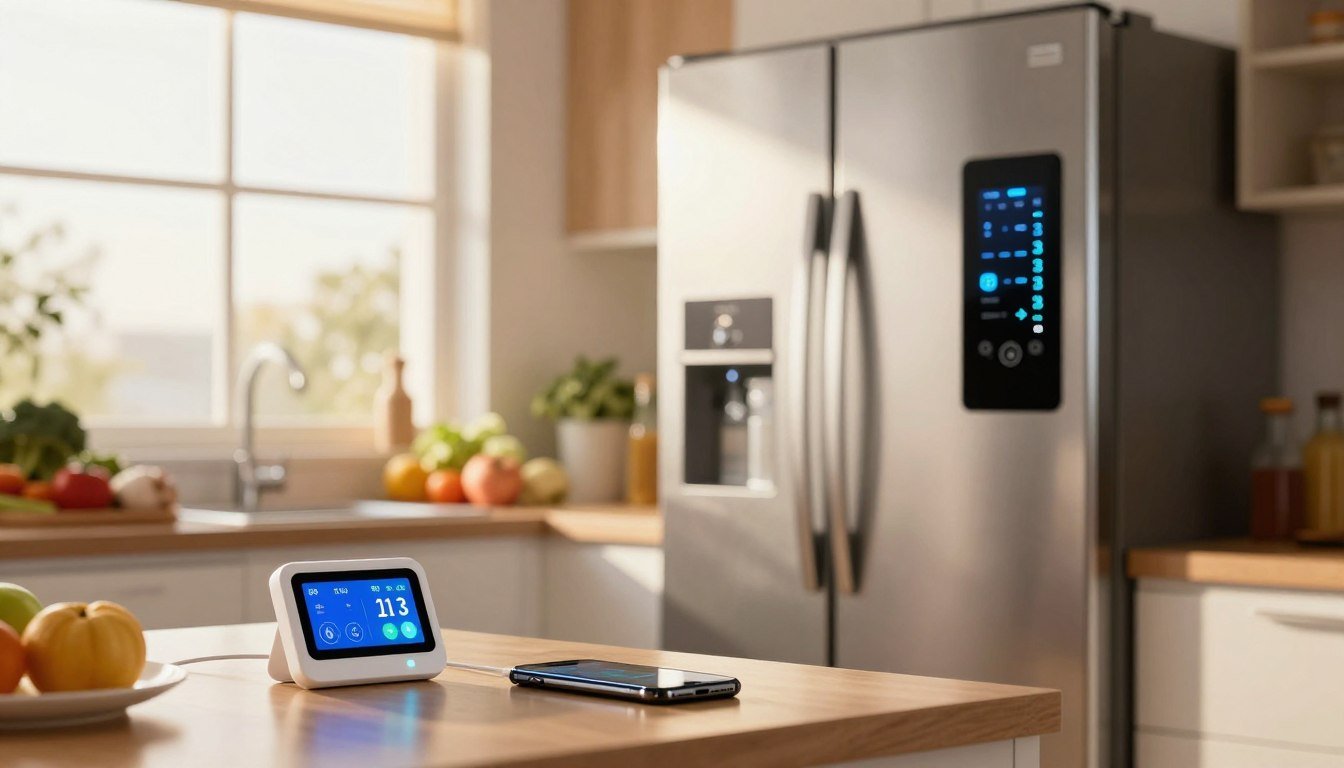
Investing in a smart temperature monitoring system can provide peace of mind and help extend the life of your refrigerator.
Key Fact #2: Condenser Coil Maintenance Is Critical for Cooling Efficiency
Maintaining your refrigerator’s condenser coils is crucial for ensuring optimal cooling efficiency. The condenser coils play a vital role in dissipating heat from the refrigerator, and when they are clogged with dust and debris, the appliance has to work harder, leading to increased energy consumption and reduced lifespan.
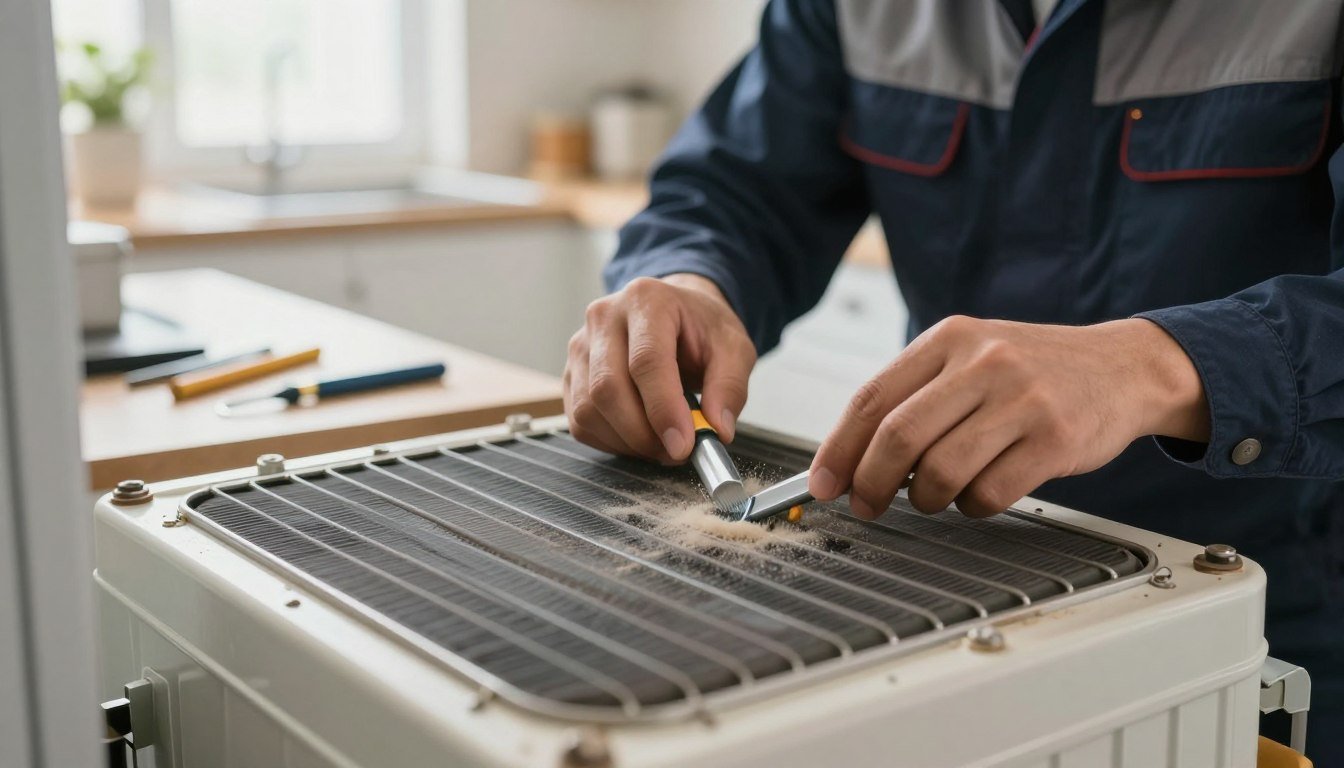
As John Doe, a renowned appliance expert, once said, “A clean condenser coil is the backbone of a well-functioning refrigerator.” Regular maintenance of these coils can significantly impact your fridge’s performance and longevity. In this section, we will delve into the importance of condenser coil maintenance and provide practical guidance on how to keep them clean.
Step-by-Step Guide to Cleaning Condenser Coils
Cleaning the condenser coils is a relatively straightforward process that can be done with a few simple tools. Here’s a step-by-step guide:
- Unplug your refrigerator to ensure safety while cleaning.
- Locate the condenser coils, usually found at the back or bottom of the fridge.
- Use a vacuum cleaner or a specialized coil cleaning brush to gently remove dust and debris.
- For more thorough cleaning, use a coil cleaning solution, but be sure to follow the manufacturer’s instructions.
How Often You Should Clean Coils Based on Your Environment
The frequency of cleaning condenser coils depends on your environment. For example:
| Environment | Cleaning Frequency |
|---|---|
| Pet owners or homes with high dust levels | Every 3-6 months |
| Average households | Every 6-12 months |
| Homes with minimal dust and no pets | Every 1-2 years |
As Consumer Reports suggests, “Regularly cleaning your condenser coils can improve your refrigerator’s efficiency by up to 30%.” By following this guide, you can ensure your refrigerator operates efficiently and effectively.
Key Fact #3: Door Seal Integrity Directly Impacts Cooling Performance
A well-sealed refrigerator door is crucial for maintaining optimal cooling performance. When the door seal is compromised, cold air escapes, and warm air enters, causing your refrigerator to work harder and consume more energy.
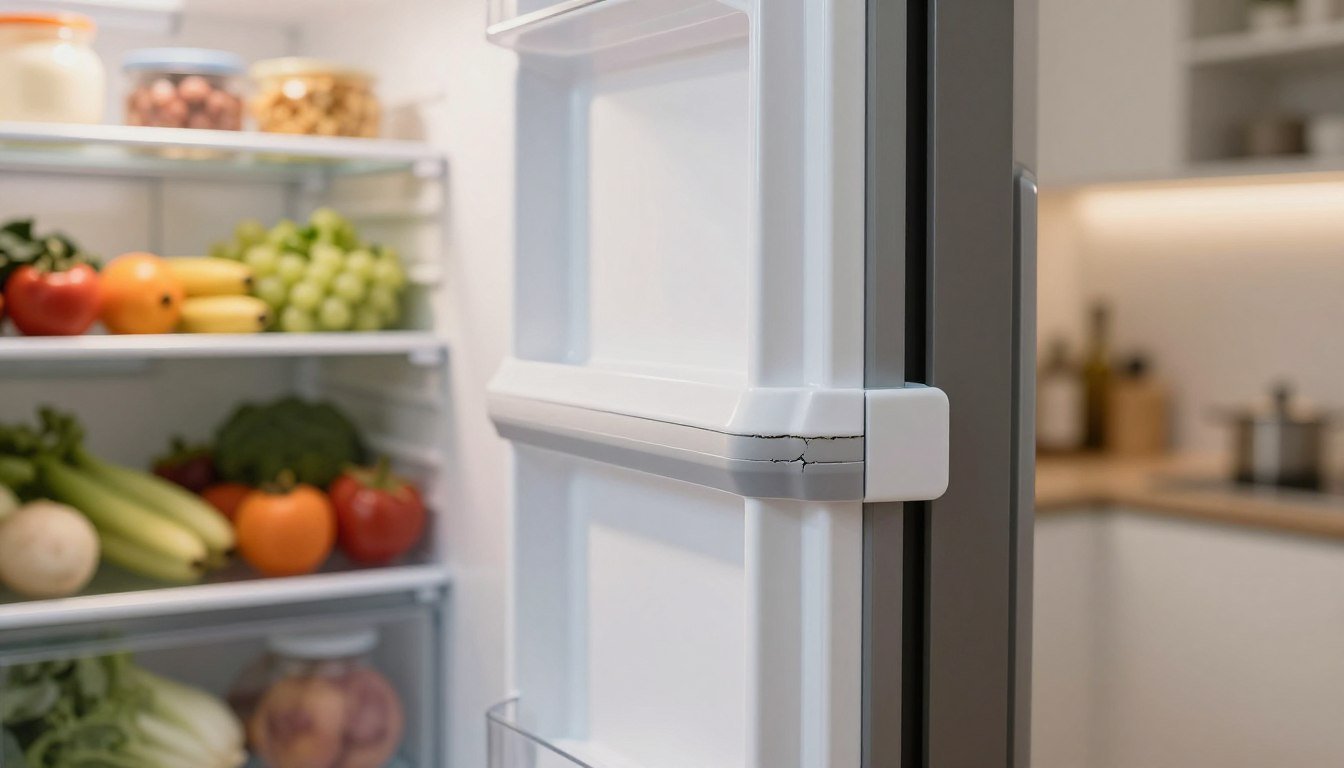
This not only increases your utility bills but also puts additional strain on the cooling system, potentially leading to premature wear and tear.
Testing and Replacing Refrigerator Door Gaskets
To ensure your refrigerator is running efficiently, it’s essential to regularly test and maintain the door gaskets. You can perform a simple test by closing the door on a piece of paper; if it slides out easily, the seal may be compromised. Replacing worn-out gaskets is a relatively straightforward process that can significantly improve your fridge’s performance.
New Gasket Technologies in 2026
In 2026, manufacturers are introducing advanced gasket materials and designs that offer improved durability and sealing capabilities. Some of these new technologies include magnetic gaskets that provide a tighter seal and anti-microbial materials that help reduce the growth of mold and mildew.
Key Fact #4: Proper Food Storage Prevents Excess Strain on Cooling Systems
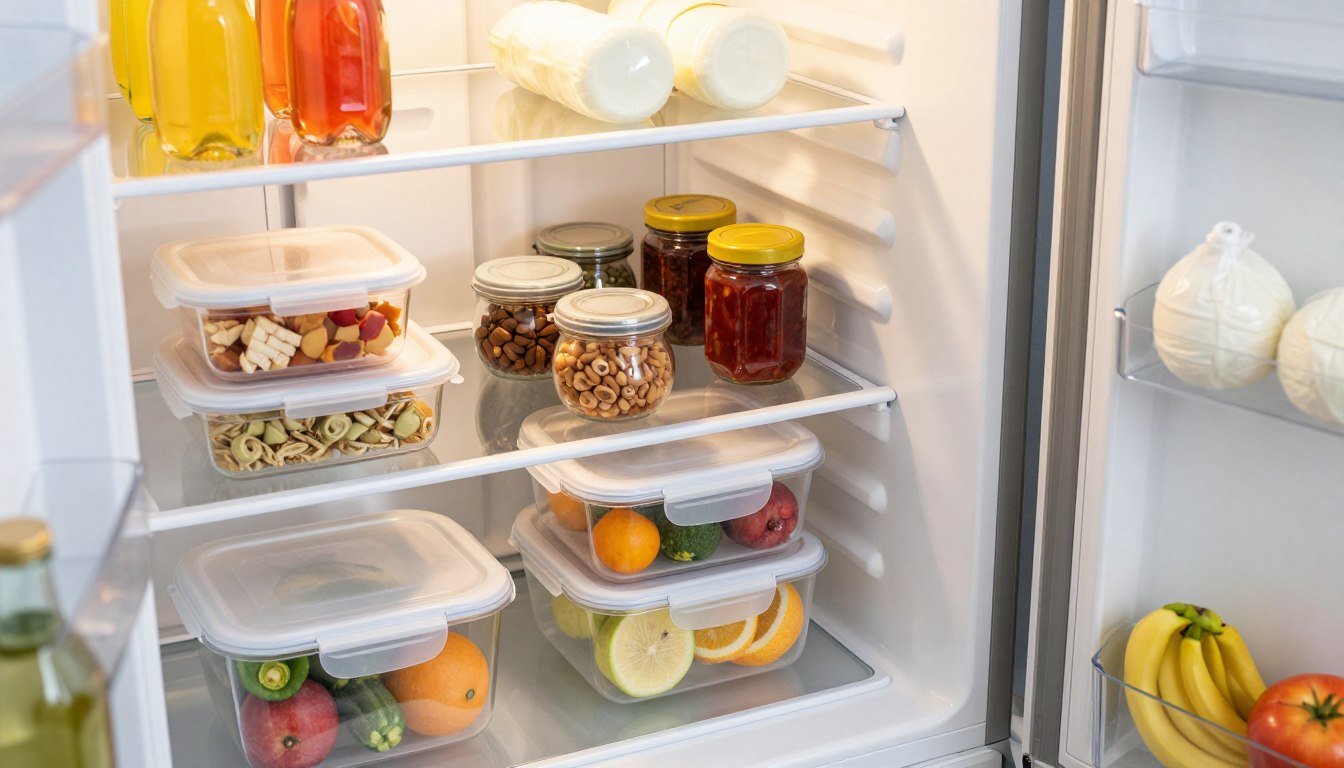
Effective food storage is key to preventing unnecessary strain on your refrigerator’s cooling system. When your fridge is cluttered or poorly organized, it can lead to reduced airflow and increased energy consumption. This not only affects your utility bills but also shortens the lifespan of your appliance.
Optimal Arrangement for Airflow
To maintain optimal airflow, it’s essential to arrange your food and containers in a way that allows air to circulate freely. This means not overcrowding shelves and keeping vents clear. Proper airflow helps in maintaining a consistent temperature throughout the fridge, which is crucial for keeping your food fresh.
Consider using stackable containers or baskets to maximize storage space while keeping items off the shelves and away from vents. Regularly cleaning out expired or spoiled food also helps in maintaining a well-organized fridge.
Common Food Storage Mistakes That Damage Your Fridge
One common mistake is storing hot food directly in the fridge. This can cause the temperature to rise, making the cooling system work harder. It’s best to let hot food cool down to room temperature before refrigerating it. Another mistake is not covering food properly, which can lead to moisture accumulation and frost buildup.
Additionally, placing large items at the back of the fridge can block airflow and cause the cooling system to strain. Being mindful of these common mistakes can help you store food more effectively and reduce the strain on your fridge’s cooling system.
Key Fact #5: Defrosting Techniques That Protect Your Cooling System
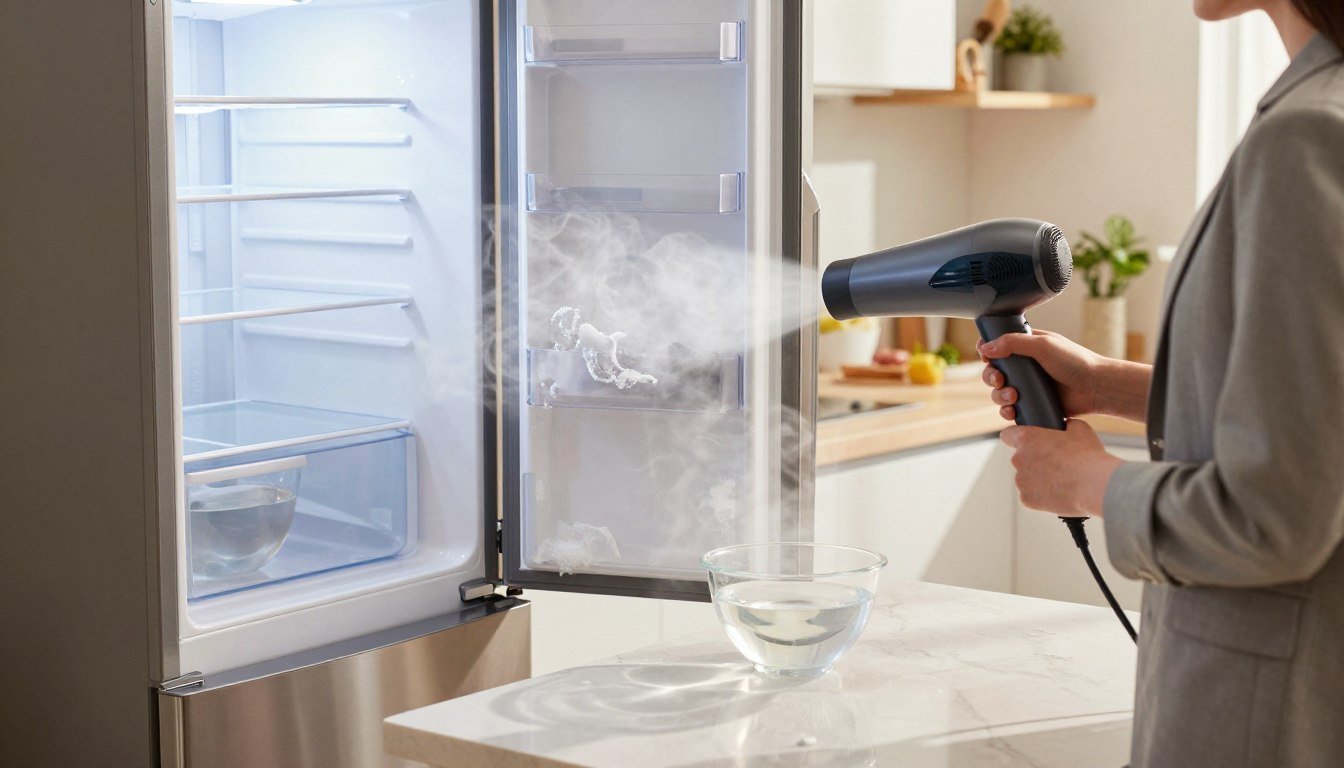
Defrosting is not just about removing ice; it’s a critical process for protecting your refrigerator’s cooling system. Regular defrosting ensures that your appliance operates efficiently, maintaining the optimal temperature for food preservation.
Manual vs. Automatic Defrost Systems
Refrigerators come with either manual or automatic defrost systems. Manual defrost requires users to turn off the appliance and let the ice melt, whereas automatic defrost systems handle this process internally. Understanding which type your refrigerator has is crucial for effective maintenance.
Manual Defrost: This method requires turning off the refrigerator and allowing the ice to melt. It’s essential to place towels or a tray to catch the water.
Automatic Defrost: Modern refrigerators often feature automatic defrosting, which periodically heats the freezer to melt ice. This process is convenient but can be affected by factors like door seals and usage patterns.
When and How to Safely Defrost Your Refrigerator
Defrosting should be done when ice buildup is noticeable, typically every 6-12 months. To defrost safely, turn off the refrigerator, remove all contents, and let it defrost. Avoid using sharp objects to scrape off ice, as this can damage the appliance.
| Defrost Method | Frequency | Precautions |
|---|---|---|
| Manual | Every 6-12 months | Turn off appliance, remove contents |
| Automatic | Periodic, as designed | Ensure door seals are intact, monitor performance |
Key Fact #6: Power Fluctuations Can Damage Cooling Components
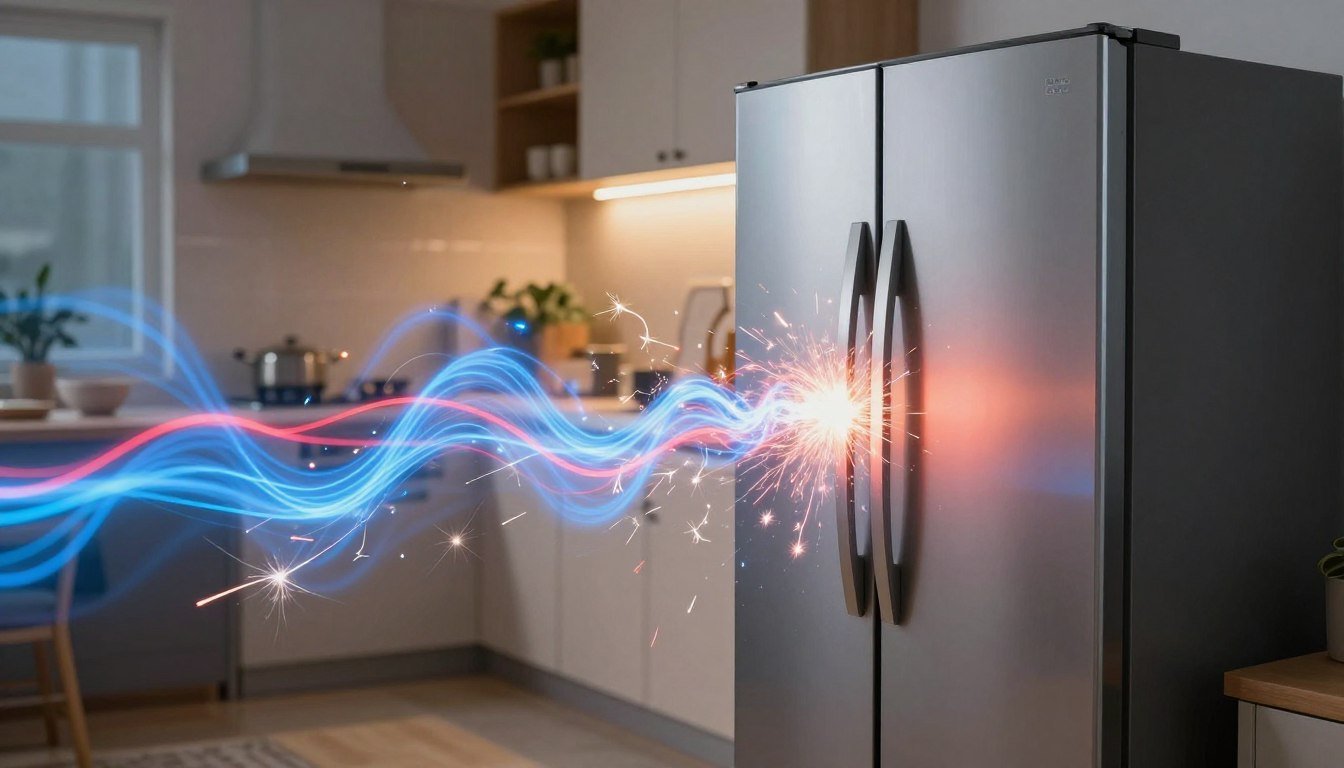
Power fluctuations can have a significant impact on the longevity and efficiency of your refrigerator’s cooling components. These fluctuations can cause damage to the compressor, fan motors, and other critical parts of the cooling system. As a result, it’s essential to understand the risks and take protective measures.
Surge Protection Solutions for Modern Refrigerators
One effective way to protect your refrigerator from power fluctuations is by using surge protection devices. These devices absorb or divert excess voltage, ensuring that your appliance receives a stable power supply. Modern surge protectors come in various forms, including whole-house surge protectors and plug-in surge protectors specifically designed for appliances like refrigerators.
The benefits of using surge protection for your refrigerator include:
- Protection against voltage spikes and surges
- Prevention of damage to critical cooling components
- Extended lifespan of your refrigerator
| Surge Protector Type | Benefits | Cost |
|---|---|---|
| Whole-house surge protector | Protects all appliances in the home | $200-$500 |
| Plug-in surge protector | Specifically designed for individual appliances | $20-$50 |
How to Identify Electrical Issues Affecting Cooling
To identify electrical issues that may be affecting your refrigerator’s cooling performance, look out for signs such as flickering lights, tripped circuit breakers, or burning smells from the appliance. Regularly inspecting your refrigerator’s power cord and ensuring it’s securely plugged into a working outlet can also help prevent issues.
Some common electrical issues that can affect cooling include:
- Faulty wiring or worn-out power cords
- Overloaded circuits or shared outlets
- Tripped circuit breakers or blown fuses
By being aware of these potential issues and taking proactive steps, you can help ensure your refrigerator’s cooling system operates efficiently and effectively.
Key Fact #7: Compressor Health Is Vital to Refrigeration
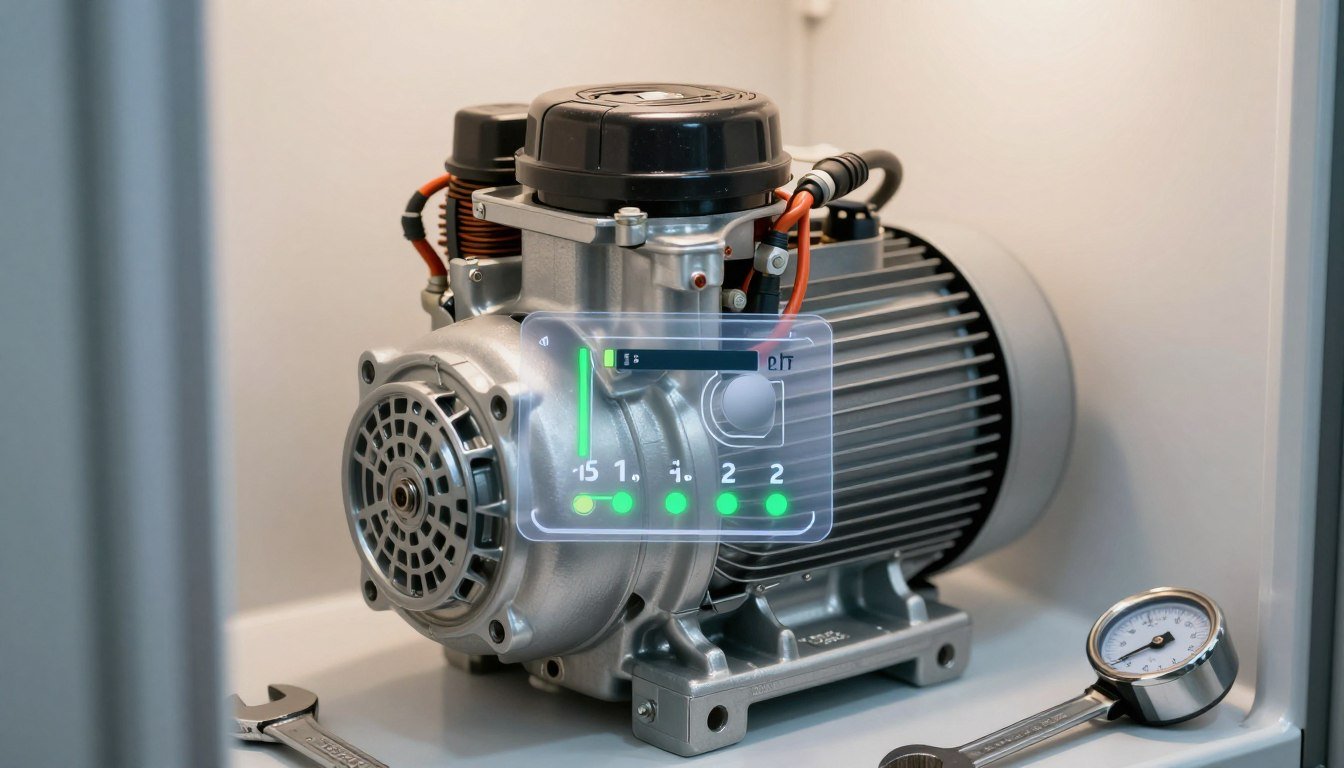
Compressor health is vital for the overall performance and longevity of your refrigerator. The compressor is a critical component that compresses refrigerant, allowing the cooling process to occur. A malfunctioning compressor can lead to increased energy bills and potentially cause your refrigerator to fail.
Signs of Compressor Problems
Identifying compressor problems early can save you from costly repairs. Common signs include unusual noises, such as clicking or clunking sounds, and increased energy consumption. If your refrigerator is not cooling properly or is making excessive noise, it may indicate a compressor issue.
Extending Compressor Lifespan Through Proper Maintenance
Regular maintenance can significantly extend the lifespan of your refrigerator’s compressor. Ensure good airflow around your refrigerator by keeping the condenser coils clean and checking the door seals for any signs of wear. Additionally, avoid overloading your refrigerator, as this can put extra strain on the compressor.
By maintaining your compressor and addressing any issues promptly, you can ensure your refrigerator continues to operate efficiently, keeping your food fresh for longer.
Key Fact #8: Water Filtration Systems Require Regular Attention
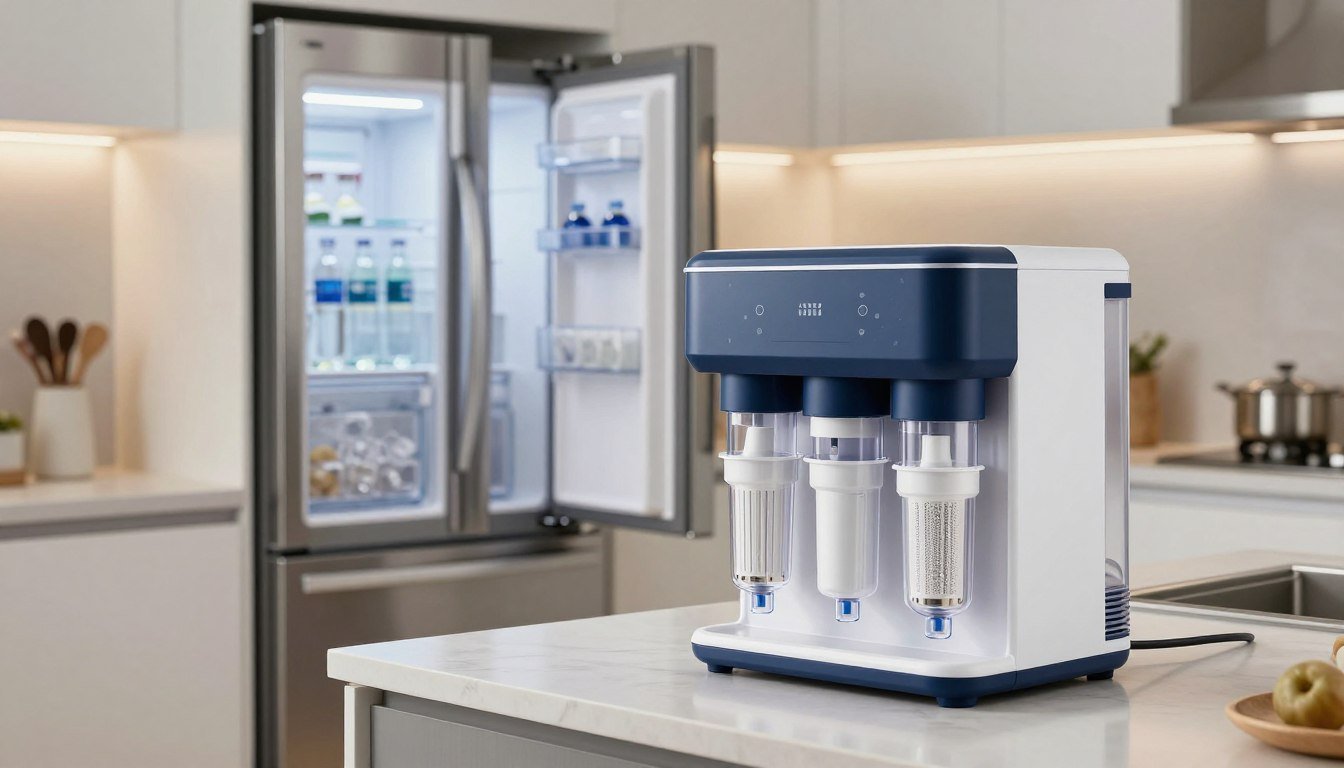
Maintaining a refrigerator’s water filtration system is crucial for ensuring clean drinking water and optimal appliance performance. A well-functioning water filtration system not only provides clean drinking water but also protects the refrigerator from potential damage caused by contaminated water. Regular attention to this system can prevent a range of issues, from poor water taste to more serious problems like water leakage.
How Filter Condition Affects Overall Refrigerator Performance
The condition of the water filter directly impacts the overall performance of the refrigerator. A clogged or dirty filter can lead to reduced water pressure, affecting the ice maker’s performance and the quality of the water dispensed. Moreover, a neglected filter can become a breeding ground for bacteria, contaminating the water supply.
According to industry experts, “A dirty or clogged water filter can significantly reduce the efficiency of your refrigerator’s ice maker and water dispenser.” Regularly replacing the water filter is essential to maintain the refrigerator’s performance and ensure clean drinking water.
2026’s Best Water Filter Replacement Options
In 2026, several high-quality water filter replacement options are available for refrigerator owners. Some of the top-rated filters include those from reputable brands like FilterFresh and PureWater. These filters are designed to provide superior filtration, removing up to 99% of contaminants from the water.
- FilterFresh: Known for their long-lasting filters and easy installation process.
- PureWater: Offers advanced filtration technology, removing a wide range of contaminants.
When choosing a replacement filter, it’s essential to consider factors like compatibility, filtration efficiency, and maintenance requirements. By selecting the right filter, homeowners can enjoy clean drinking water and maintain their refrigerator’s optimal performance.
Key Fact #9: Ventilation Requirements Have Changed in Modern Kitchens
Ventilation in modern kitchens is not just about airflow; it’s about creating an environment for your refrigerator to thrive. As kitchen designs evolve, incorporating elements like larger islands, more appliances, and higher ceilings, the way we ventilate our kitchens has to adapt. Proper ventilation is crucial for maintaining the efficiency and longevity of your refrigerator.
Proper Refrigerator Placement for Optimal Cooling
One of the most critical aspects of kitchen ventilation is the placement of your refrigerator. It’s essential to position your refrigerator in a way that allows for adequate airflow around it. This means keeping a safe distance from surrounding walls and cabinets. For instance, at least 1 inch of clearance on the sides and back is recommended to ensure proper airflow.
Clearance Guidelines for Different Refrigerator Models
Different refrigerator models have varying clearance requirements. For example, some high-end models might require more space around them for optimal performance. Always check your user manual for specific clearance guidelines. Generally, a clearance of 2-3 inches at the back and 1 inch on the sides is considered standard for most models.
By understanding and implementing these guidelines, you can significantly improve your refrigerator’s performance and extend its lifespan.
Key Fact #10: DIY Repairs vs. Professional Service – What You Can Safely Fix Yourself
When it comes to fridge repairs, homeowners often wonder whether they should attempt DIY fixes or call in a professional. The answer depends on the nature of the repair and the homeowner’s level of comfort with DIY projects.
Tools Every Homeowner Should Have for Basic Fridge Maintenance
Before diving into DIY repairs, it’s essential to have the right tools on hand. Basic tools include a multimeter for checking electrical issues, a condenser coil brush for cleaning, and a set of screwdrivers for accessing various parts of the fridge. Having these tools can help homeowners tackle minor issues and maintain their appliance effectively.
When to Call a Professional Technician
While DIY repairs can be cost-effective, there are situations where calling a professional is the best course of action. Complex issues like compressor failures or refrigerant leaks require specialized knowledge and equipment. Additionally, if you’re unsure about the diagnosis or feel uncomfortable with the repair, it’s best to seek professional help.
| Issue | DIY or Professional | Reason |
|---|---|---|
| Clogged condenser coils | DIY | Can be cleaned with a brush and vacuum |
| Compressor failure | Professional | Requires specialized tools and knowledge |
| Door seal replacement | DIY | Relatively simple to replace |
| Refrigerant leaks | Professional | Dangerous if handled improperly |
Essential Supplies for Maintaining Your Refrigerator’s Cooling System
To keep your fridge running smoothly, you’ll need the right essential supplies. Maintaining your refrigerator’s cooling system is crucial for its longevity and efficiency. In this section, we’ll outline the necessary products and tools to keep your fridge in top condition.
Recommended Cleaning Products and Tools
Regular cleaning is vital to maintaining your refrigerator’s performance. You’ll need specialized cleaning products designed for refrigerators, such as condenser coil cleaning brushes and gentle cleaning solutions for the exterior and interior. These tools help remove dust and debris that can impede your fridge’s efficiency.
Our Top Amazon Picks for Fridge Maintenance
Here are some top-rated products on Amazon for maintaining your refrigerator:
Condenser Coil Cleaning Brushes
A condenser coil cleaning brush is a must-have for maintaining your fridge’s cooling efficiency. It helps remove dust and debris from the coils, ensuring optimal performance.
Temperature Monitors and Smart Sensors
Temperature monitors and smart sensors help you keep track of your fridge’s temperature, ensuring it stays within the ideal range. These devices can alert you to any fluctuations, allowing you to take prompt action.
Door Seal Replacement Kits
Door seal replacement kits are essential for maintaining the integrity of your fridge’s seal. A damaged or worn-out seal can lead to cooling inefficiencies and increased energy bills.
Water Filter Replacements
If your fridge has a water dispenser or ice maker, you’ll need to replace the water filter regularly. This ensures clean drinking water and ice, and helps maintain your fridge’s overall performance.
For more information and to purchase these products, click here to visit our recommended products on Amazon.
Conclusion: Ensuring Your Refrigerator’s Longevity in 2026 and Beyond
Maintaining your refrigerator’s cooling system is crucial for its longevity and performance. By understanding and implementing the 10 key facts about fridge repairs discussed in this article, you can significantly extend the life of your appliance.
Regular maintenance, such as cleaning condenser coils, checking door seals, and monitoring temperature fluctuations, plays a vital role in preventing major breakdowns and ensuring your refrigerator operates efficiently. By following these fridge maintenance tips, you can enjoy a well-functioning appliance for years to come.
Investing time and effort into maintaining your refrigerator not only enhances its refrigerator longevity but also saves you money on costly repairs and replacements. Stay proactive, and your appliance will continue to serve you well, keeping your food fresh and your kitchen running smoothly.
FAQ
How often should I clean my refrigerator’s condenser coils?
It’s recommended to clean your condenser coils every 6-12 months, depending on your environment. If you have pets or live in a dusty area, you may need to clean them more frequently.
What is the ideal temperature range for my refrigerator and freezer?
The ideal temperature range for your refrigerator is between 37°F and 40°F (3°C and 4°C), while your freezer should be set at 0°F (-18°C) or below.
How can I check if my refrigerator’s door seal is damaged?
You can check your door seal by closing the door on a piece of paper or a dollar bill. If it’s hard to pull out or if you feel a draft, your seal may be damaged and need replacement.
What are some common mistakes that can damage my fridge’s cooling system?
Common mistakes include overloading your fridge, not cleaning condenser coils, and not checking door seals regularly. Proper food storage and avoiding extreme temperatures can also help prevent damage.
Can I defrost my refrigerator manually, or should I use an automatic defrost system?
Both manual and automatic defrost systems have their advantages. Manual defrosting can be more energy-efficient, but automatic defrosting is more convenient. It’s essential to follow the manufacturer’s instructions for your specific fridge model.
How can I protect my refrigerator from power fluctuations?
You can protect your refrigerator from power fluctuations by using a surge protector or whole-house surge protector. Unplugging your fridge during extreme weather conditions can also help.
What are the signs of compressor problems in my refrigerator?
Signs of compressor problems include unusual noises, increased energy bills, and temperature fluctuations. If you notice any of these issues, it’s best to consult a professional technician.
How often should I replace my refrigerator’s water filter?
The frequency of replacing your water filter depends on the manufacturer’s instructions and your usage. Typically, it’s recommended to replace the filter every 6 months.
Can I perform DIY repairs on my refrigerator, or should I call a professional?
While some basic maintenance tasks like cleaning condenser coils can be done DIY, more complex repairs like compressor replacement should be done by a professional technician to avoid further damage or safety risks.
What are some essential tools for basic fridge maintenance?
Essential tools for basic fridge maintenance include a condenser coil cleaning brush, temperature monitor, and door seal replacement kit. Having these tools on hand can help you perform routine maintenance tasks.